Comprehensive & Advanced Shoulder Care in Houston
Regain mobility and live pain-free with specialized diagnostics and innovative treatments for all shoulder conditions.
Shoulder Conditions We Treat
Rotator Cuff Tears
Diagnosis and treatment for partial or complete tears of the shoulder's vital rotator cuff tendons.
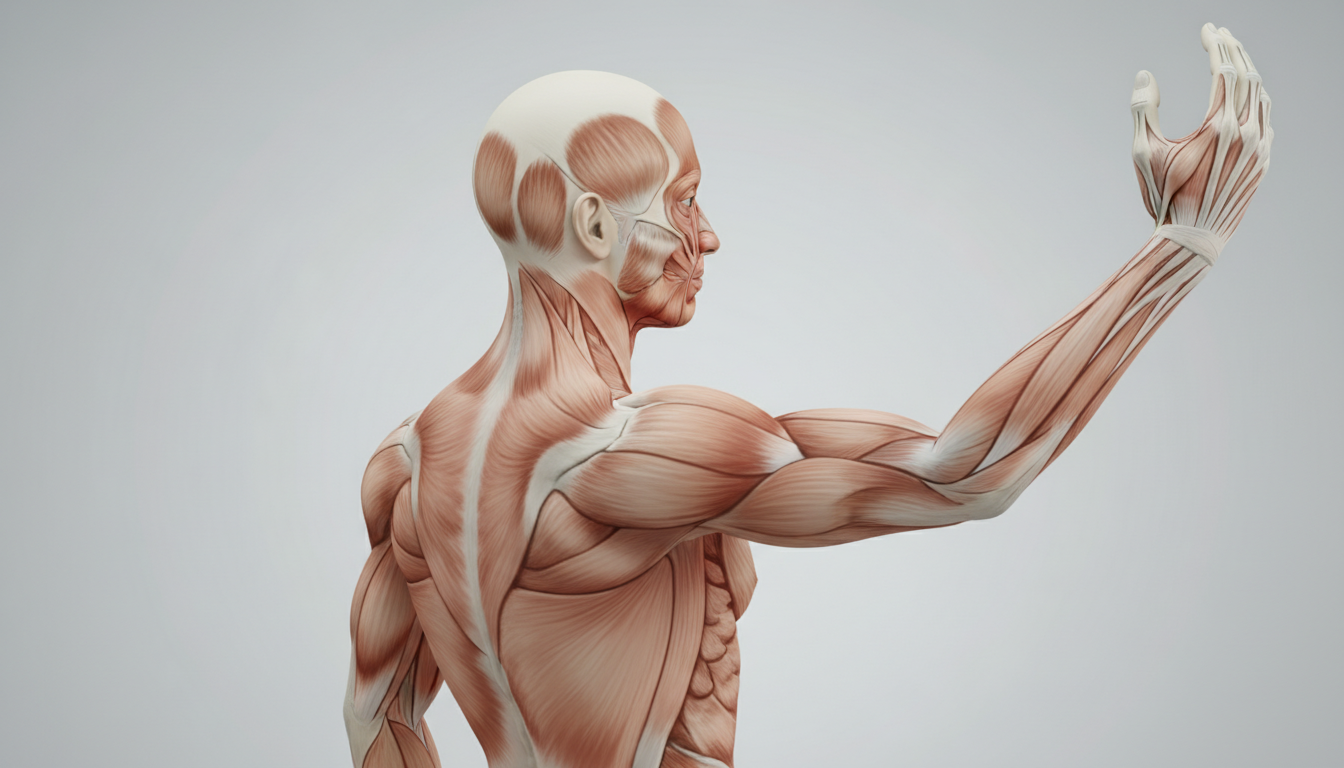
The rotator cuff is a group of four muscles and their tendons that surround the shoulder joint, providing stability and enabling a wide range of motion. Tears can occur acutely from injury or degenerate over time. Dr. Gregory specializes in precise arthroscopic (minimally invasive) and open repair techniques, focusing on restoring the tendon's integrity, reducing pain, and facilitating a comprehensive rehabilitation program for lasting recovery.
Shoulder Arthritis
Comprehensive care for osteoarthritis, rheumatoid arthritis, and other degenerative shoulder conditions.
Arthritis of the shoulder, often osteoarthritis or rheumatoid arthritis, causes pain, stiffness, and reduced mobility due to cartilage breakdown. Dr. Gregory offers a full spectrum of treatment, from conservative management (injections, physical therapy) to advanced surgical solutions including shoulder arthroscopy, hemiarthroplasty (partial replacement), and total shoulder arthroplasty (total replacement), tailored to your condition and activity level to alleviate pain and restore function.
Shoulder Instability
Treatment for dislocations, subluxations, and ligament injuries affecting shoulder stability.
AC Joint Injuries
Care for acromioclavicular joint separations, arthritis, and distal clavicle fractures.
Biceps Tendon Injuries
Treatment for biceps tendinitis, tears, and SLAP lesions in the shoulder.
Shoulder Fractures
Expert management of clavicle, scapula, and proximal humerus fractures.
Surgical Procedures
A minimally invasive surgical technique using a small camera to diagnose and treat a wide range of shoulder conditions, including impingement, labral tears, and instability. Benefits include smaller incisions, less pain, and faster recovery compared to traditional open surgery.
Surgical repair of torn rotator cuff tendons using arthroscopic or open techniques. The procedure reattaches the tendon to the bone, restoring function and relieving pain. Rehabilitation is essential for optimal recovery.
Total or partial shoulder replacement surgery for severe arthritis or fractures. The damaged joint is replaced with a prosthetic implant designed to restore mobility and eliminate pain. Options include anatomic total shoulder and reverse shoulder arthroplasty.
A specialized procedure for treating recurrent shoulder instability, particularly in patients with bone loss. The coracoid process is transferred to the glenoid to reconstruct the shoulder socket and prevent dislocations.
Non-Surgical Shoulder Solutions
Physical Therapy
Targeted exercises and manual therapy to strengthen muscles, improve range of motion, and reduce pain.
Corticosteroid Injections
Anti-inflammatory injections to provide targeted pain relief and reduce swelling in the affected joint.
Lifestyle Modifications
Guidance on activity adjustments, ergonomic improvements, and preventative strategies to manage symptoms.
Your Path to Recovery
Immediate Post-Op Care
Detailed instructions for pain management, incision care, and sling use immediately following surgery.
Early Rehabilitation
Beginning gentle exercises and guided physical therapy to restore initial range of motion and prevent stiffness.
Progressive Strengthening
Advanced physical therapy to rebuild strength and endurance in the shoulder muscles, focusing on functional movements.
Return to Activity
Customized plans to safely return to sports, work, and daily activities, ensuring lasting results and preventing re-injury.
Frequently Asked Questions
Recovery varies but typically involves several months of dedicated physical therapy, with significant improvement seen within 4-6 months, and full recovery often taking up to a year.
Many shoulder arthroscopy procedures are performed on an outpatient basis. More complex surgeries, like total shoulder replacement, may require a short hospital stay. We will discuss this in detail during your consultation.
As with any surgery, there are risks including infection, bleeding, nerve injury, and stiffness. However, arthroscopic surgery generally has lower complication rates than open surgery. Dr. Gregory will discuss all risks specific to your case.
Return to work depends on the type of surgery and your job requirements. Desk work may resume within 1-2 weeks, while manual labor may require several months. We provide personalized guidance based on your specific situation.
Innovating for Superior Shoulder Outcomes
Dr. Gregory's ongoing research into novel rotator cuff repair techniques and biologic solutions for cartilage regeneration ensures his patients benefit from the very latest advancements in shoulder orthopedics.
Learn More About Our Research